The Pan-African Agency of the Great Green Wall and FAO strengthen their partnership for resilience in the Sahel
April 14, 2026
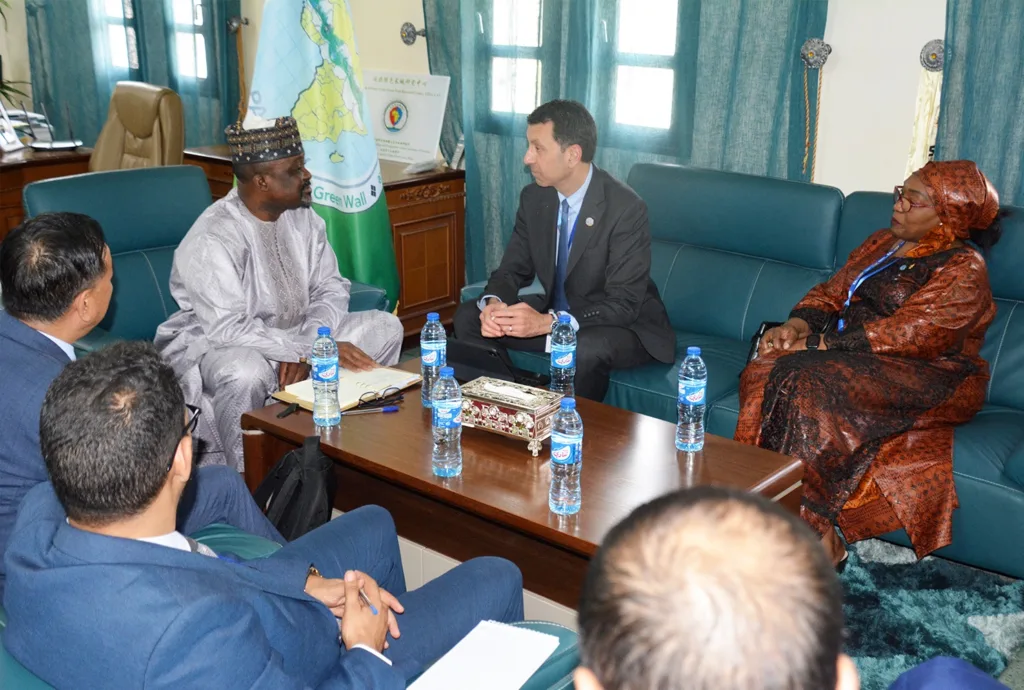
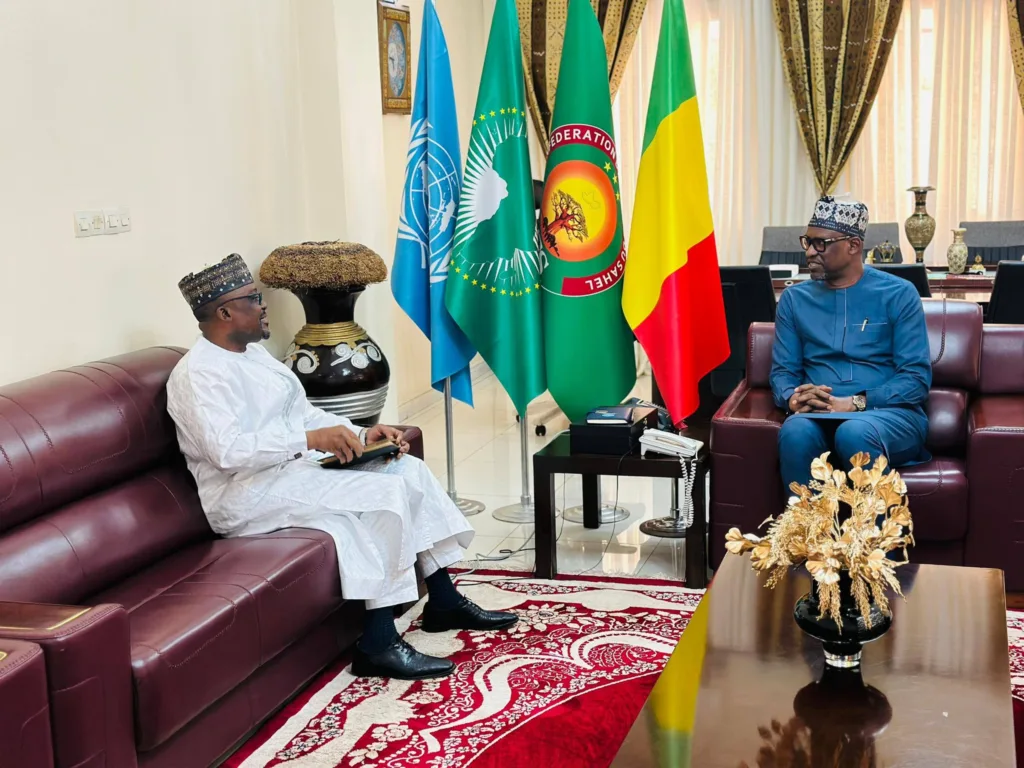
Nouakchott, 14 April 2026. On the sidelines of the FAO Regional Conference for Africa being held in the capital of the Almoravids, a high-level delegation of the Organisation carried out a working visit to the Pan-African Agency of the Great Green Wall. The FAO delegation, received by the Executive Secretary H.E. Mr Almoustapha Garba, was composed of Ms Bintia Stephen-Tchicaya, FAO Sub-Regional Coordinator; Mr Kaveh Zahedi, Director of the Office of Climate Change, Biodiversity and Environment; Mr Zhimin Wu, Director of the Forestry Division; as well as a team from the FAO office in Mauritania.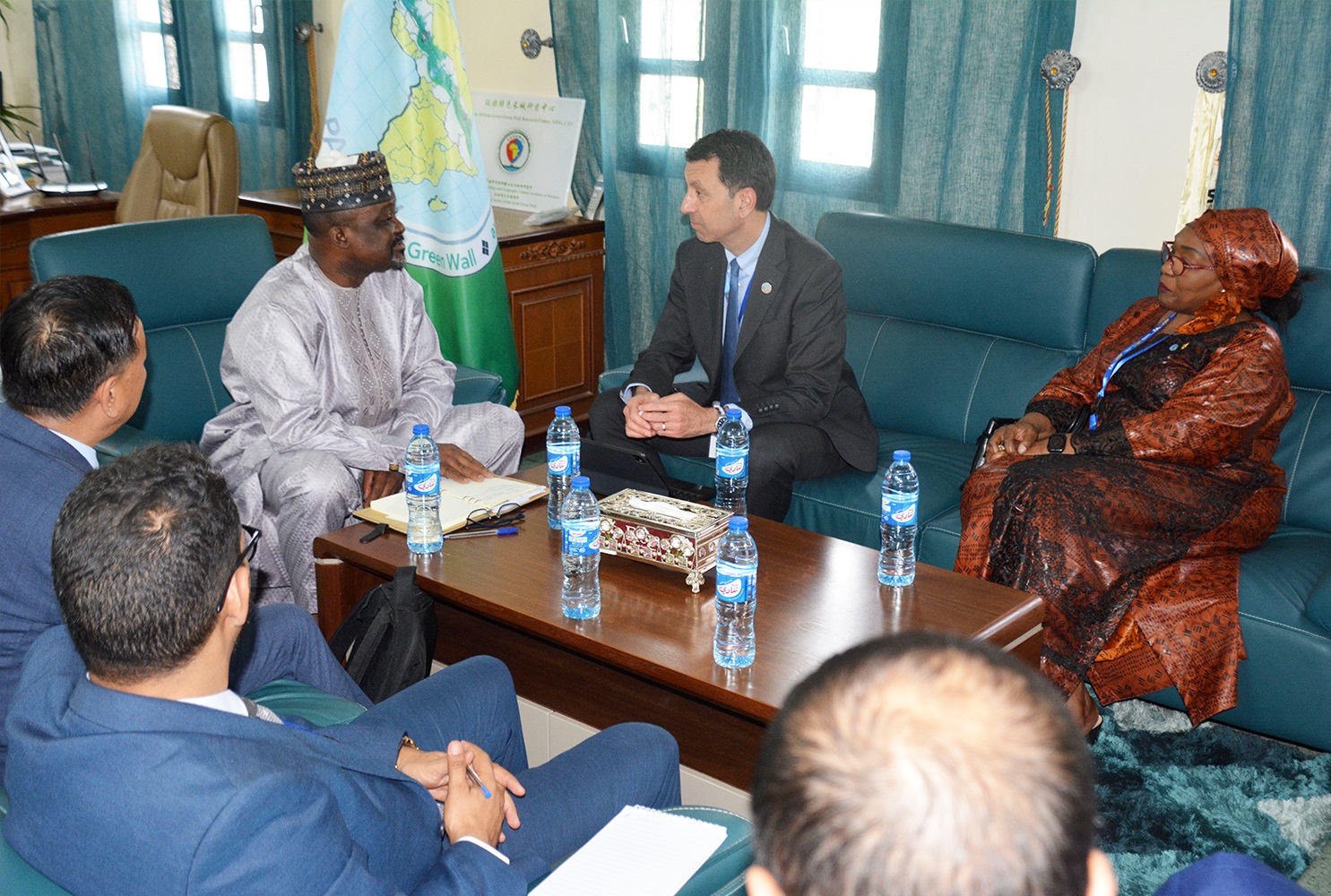
This meeting is part of an effort to strengthen cooperation between the two institutions around the Great Green Wall Initiative, Africa’s flagship initiative to address the growing challenges linked to land degradation, climate change and food security in the Sahelian areas. The exchanges made it possible to reaffirm the quality of the partnership between FAO and the PAGGW, founded on a shared vision of the sustainable transformation of territories. Both parties underlined the importance of intensifying efforts to restore ecosystems, support the livelihoods of populations and strengthen the resilience of communities in the face of the multiple challenges of today.
At the heart of the discussions was the implementation of the “Scaling-Up Resilience in Africa’s Great Green Wall” (SURAGGWA) programme, recently launched with the support of the Green Climate Fund. This structuring programme constitutes a major step in accelerating the implementation of the Great Green Wall. It aims to promote integrated solutions combining land restoration, the development of sustainable value chains and capacity-building of stakeholders at the national and regional levels. The two institutions stressed the need to accelerate the operationalisation of this programme in order to meet the expectations of the countries and communities. Emphasis was placed on the importance of rapidly removing technical constraints and strengthening coordination among the various stakeholders to ensure concrete results on the ground.
The issue of governance was also addressed, with the shared determination to consolidate the steering mechanisms in a spirit of consultation and alignment with the continental frameworks and the requirements of the technical and financial partners. The delegation commended the leading role of the PAGGW in implementing the initiative, as well as the progress made in recent years. The Executive Secretary also noted the growing interest of several African countries in joining this momentum (membership applications will soon bring the number of member countries to 20), testifying to the relevance and appeal of the Great Green Wall across the continent. At the close of the meeting, FAO and the PAGGW reaffirmed their shared commitment to strengthening their collaboration and to making the Great Green Wall Initiative a concrete, ambitious and sustainable response to the environmental and socio-economic challenges of the Sahel.
As a reminder, this visit also takes place in a context marked by the recent recognition of the PAGGW by FAO, which distinguished the Agency as a good practice in sustainable land management and forestry. This distinction commends the efforts made by the Agency and its member States in implementing the Great Green Wall Initiative, and reinforces its role as a reference in the fight against land degradation and climate change across the continent. Furthermore, this meeting takes place in the context of the Agency’s reform, with a new momentum driven by its new Executive Secretary H.E. Mr Almoustapha Garba, aimed at strengthening the Agency’s leadership, accelerating the operationalisation of structuring programmes and consolidating strategic partnerships.
On this occasion, the Executive Secretary underlined: “The Great Green Wall Initiative is today experiencing renewed interest and increased mobilisation. Our priority is now to accelerate implementation on the ground, by strengthening coordination with our partners and providing concrete responses to the expectations of States and populations.”