COP30 – The Great Green Wall Revives Sahelian Ambition: Food Security, Resilience and Governance at the Centre of Discussions
January 7, 2026
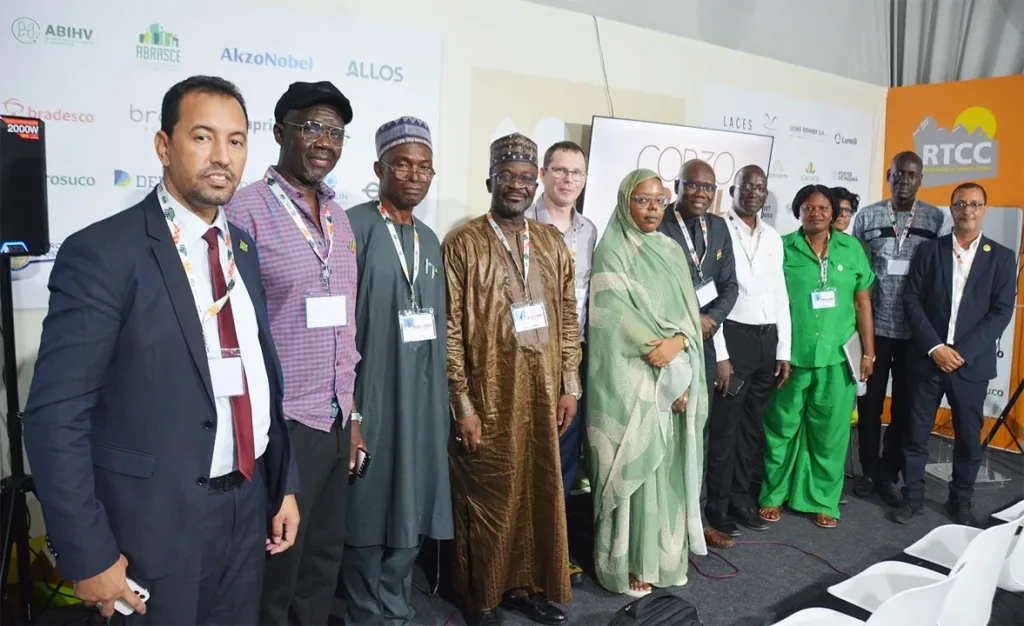
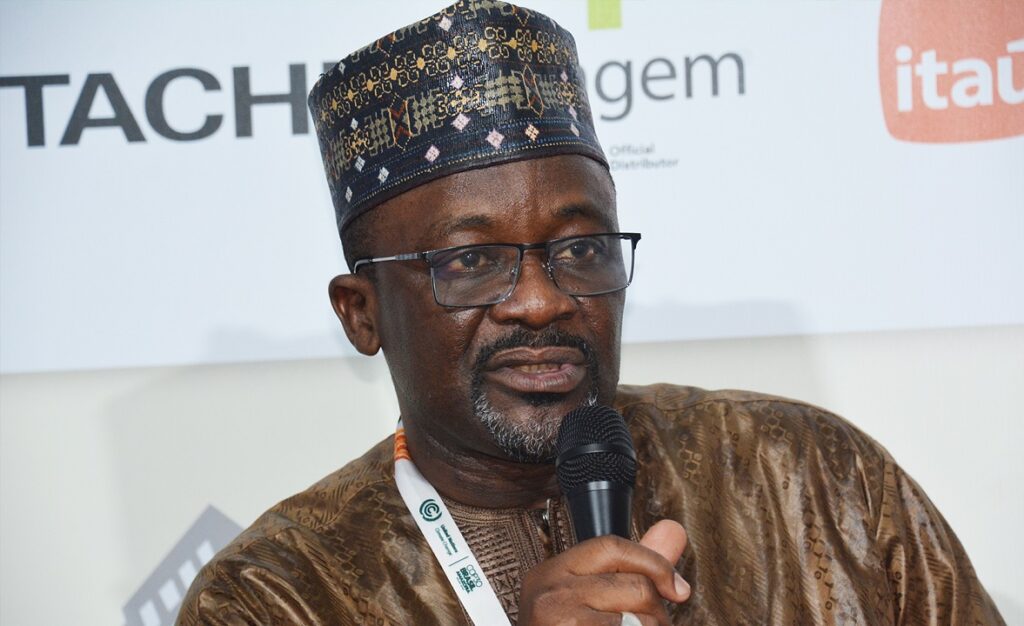
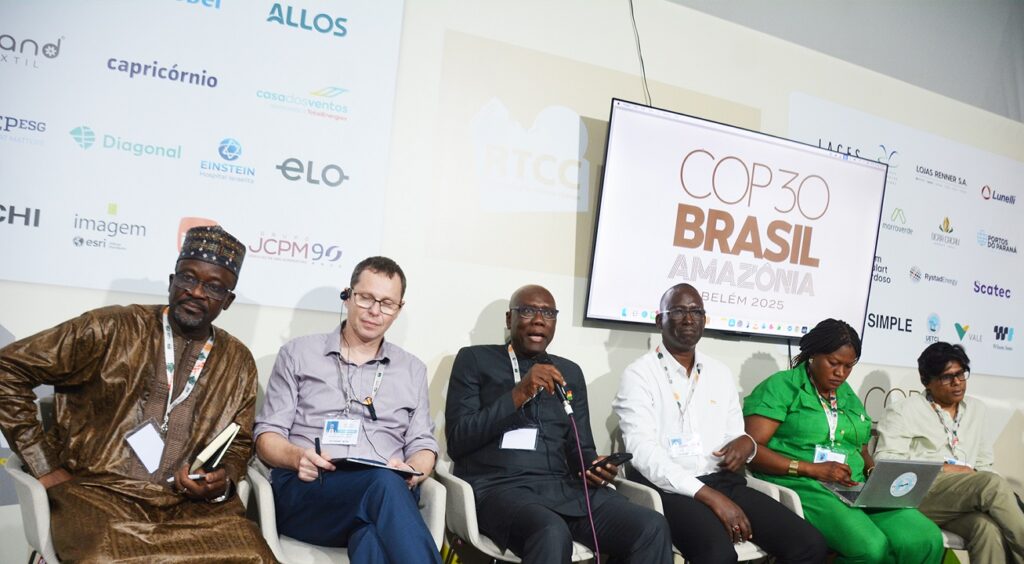
Belém (Brazil), 18 November 2025 – The Great Green Wall (GGW), Africa’s emblematic continental initiative, took pride of place during a closely followed panel at COP30. Devoted to agro-sylvo-pastoral value chains and their role in food securit y in the Sahel, the meeting made it possible to take stock of the progress achieved, to share proven innovations and to chart the prospects for an ambitious revival of the initiative.
Moderated by Mr Ibrahima SOW, Special Adviser to the President of the Republic of Senegal for the environment, the panel brought together high-level speakers from several regional and international organisations: Mr Almoustapha GARBA, Executive Secretary of the Pan-African Agency of the GGW; representatives of the World Food Programme (WFP) and the International Fund for Agricultural Development (IFAD); Dr Sakhoudia THIAM, Scientific and Technical Director of the PAGGW; and Ms Patricia Melon, representing the National Great Green Wall Agency of Chad.
The session began with the screening of a film presenting technologies for the restoration of degraded land within the framework of the Integrated Community Farms (FACI) and the resilience sites supported by the WFP. These initiatives illustrate a new approach based on the integration of agricultural, pastoral and forestry activities.
Designed as rural development hubs, the FACI combine: i) soil restoration, ii) diversified agricultural production, iii) the valorisation of non-timber forest products, iv) the promotion of local value chains, v) the empowerment of women and young people.
These models are seen as levers of sustainable transformation, capable of creating jobs, reducing food insecurity and strengthening resilience in the face of climate shocks.
“These initiatives speak directly to the populations. They strengthen their confidence in public action and facilitate local ownership,” recalled Mr Ibrahima Sow.
Reaffirming the vision and governance of the Great Green Wall
The intervention of the Executive Secretary, Almoustapha GARBA, was one of the high points of the panel. He recalled the strategic ambitions of the GGW for 2030: to restore 100 million hectares of degraded land, sequester 250 million tonnes of CO₂, and create 10 million lasting green jobs. According to him, this vision can only be achieved by strengthening the governance of the initiative and ensuring better coordination between member States and technical and financial partners. “The success of the Great Green Wall depends on collective mobilisation. States must take greater ownership of the initiative and work in synergy to turn ambition into tangible results,” he stated.
He also welcomed the growing interest of other African countries — notably the Gambia, Côte d’Ivoire, Togo and Somalia — which have officially expressed their wish to join the Agency. This momentum paves the way for a future extension of the Great Green Wall beyond the Sahelian countries traditionally involved.
In his intervention, Dr Sakhoudia THIAM, Scientific and Technical Director, highlighted the conceptual evolution of the GGW, which has moved from a simple tree-planting effort to a systemic and inclusive approach to rural development and climate resilience. He emphasised two priority areas: i) strengthening scientific research, in order to select the best-adapted plant species, improve agroecological practices and capitalise on local knowledge; ii) and accelerating the mobilisation of financing, particularly to support countries in implementing large-scale local initiatives. According to him, research and innovation are essential to guarantee the sustainability of actions and the adoption of technologies suited to the realities of rural populations.
Towards a transformation of the Sahel driven by the populations
The exchanges also emphasised the need to support agro-sylvo-pastoral value chains, regarded as essential drivers of resilience and food security. The GGW thus appears as a tool for economic development, capable of promoting agroecology, fostering the sustainable management of natural resources and offering economic opportunities in areas confronted with insecurity, poverty and the effects of climate change. The speakers also recalled that local populations must remain at the centre of the framework. The success of the GGW depends largely on their active participation, on the valorisation of their knowledge and on the integration of their needs into national strategies.
At the end of the session, Mr Ibrahima Sow issued a stirring appeal to the international community to provide greater support to this flagship African initiative. “The Great Green Wall is today a global model of restoration and resilience. Other regions are drawing inspiration from it. It is crucial to strengthen its visibility and to mobilise financing commensurate with the challenges.” He reaffirmed the commitment of Senegal and the regional partners to advocate for a scaling up of public and private investment, an indispensable condition for transforming pilot initiatives into actions of national scale.
An African ambition driven by innovation and cooperation
At a time when the countries of the Middle East, southern Africa and other regions of the world are drawing inspiration from the GGW model, this panel made it possible to recall the importance of maintaining African leadership in this field. It was also stressed that the success of the Great Green Wall rests on a strong alliance between governments, researchers, international partners, the private sector, civil society and rural communities.
This COP30 panel, on the theme “Great Green Wall and Food Security: Supporting the promotion of the GGW’s agro-sylvo-pastoral value chains: Prospects for local populations and producers,” will have helped to strengthen the collective momentum around this historic initiative, which holds immense potential to sustainably transform the Sahel, restore degraded land and offer new economic prospects to the most vulnerable populations.